Honors College History: The Ancient World
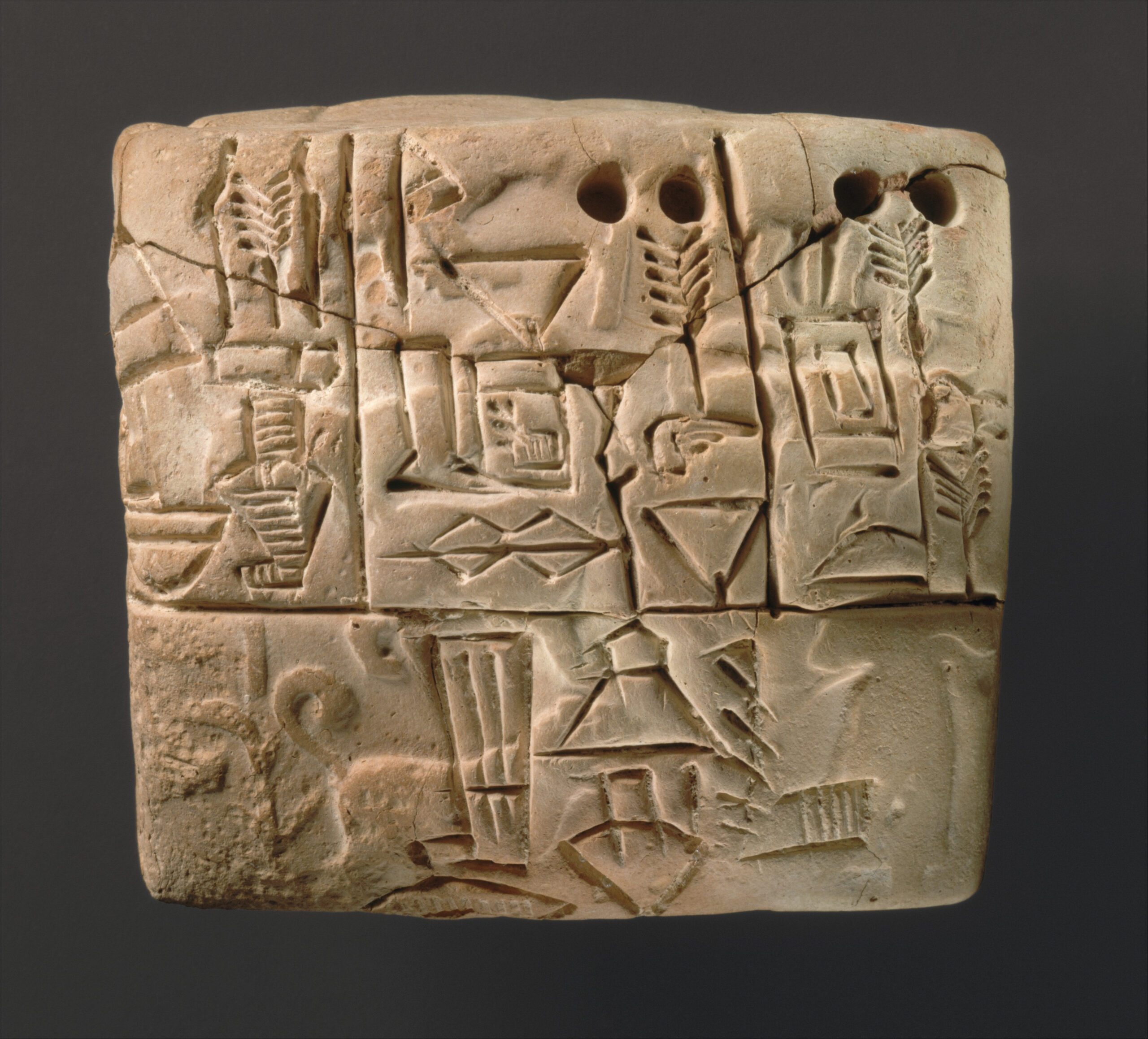
In this course, we will explore the origins of civilization from the early human societies in the Near East to the culture of Europe in the early middle ages. We will examine evolution within European societies, but we will also work comparatively, looking at the diverse external influences, particularly from the Mediterranean, that helped shape what we know as Europe. Our themes will include contact, conflict, and cross-fertilization between civilizations.
One set of aims will be to gain an understanding of each society we study: its political and legal institutions; its social order, including class and gender divisions; its economy and the division of labor; and its cultural forms. We will try to understand how people in these societies lived their daily lives, but we will also try to understand what each society held up as the “good life” in religion, philosophy, politics, and art.
Another set of aims will be to develop an appreciation for historical questions and methods. How and why do societies change and evolve? What constitutes historical evidence? What is important about the past? How does the past shape our present and our future? An important goal for this course is to develop the skills to articulate these questions‚ and answers to them‚ orally and in writing.
Class meetings will be a combination of lecture and discussion. Discussions will be based on reading of primary materials. These readings will include: the Epic of Gilgamesh, selections from Plato’s Republic, Thucydides’ Peloponnesian War, Euripides’ Iphigenia at Aulis, the Bible, the Koran, Augustine’s Confessions, and the Song of Roland.
Department: R.D. Clark Honors College
University: University of Oregon
Years offered: 2003-2004
- HC231 – Syllabus Fall 2003